On self-publishing, finding a traditional deal, and what comes after
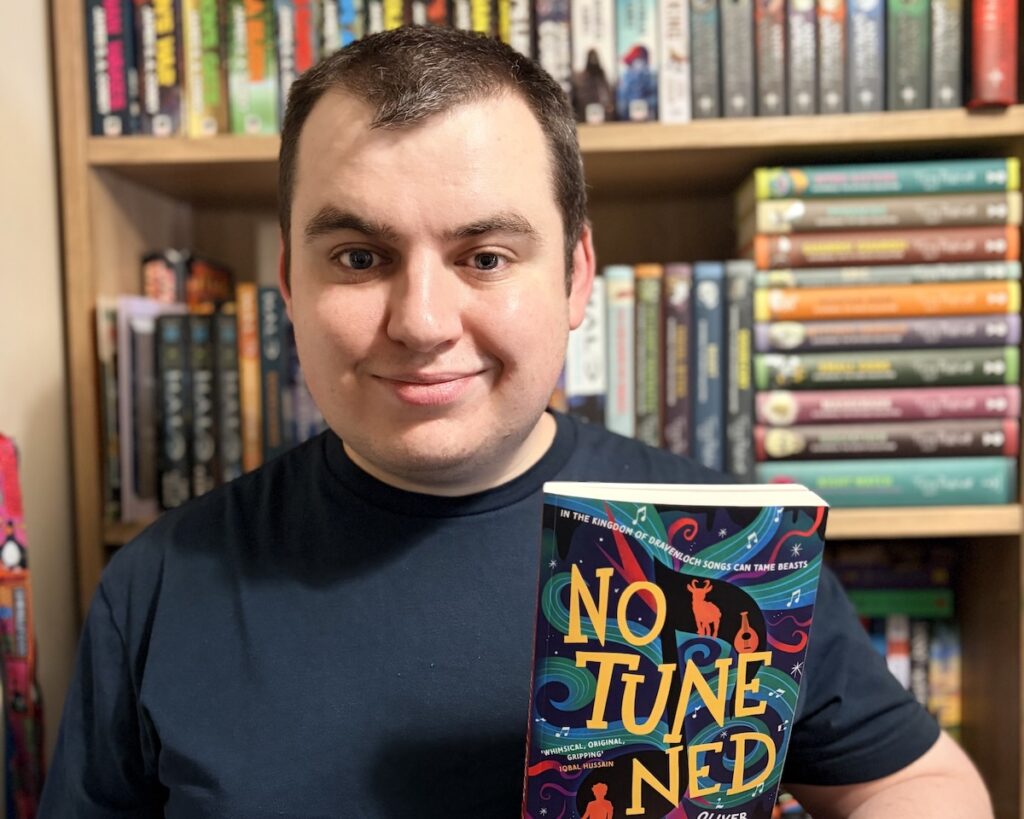
Oliver Lendon is a children’s author who began his writing life by self-publishing a middle-grade series, an experience that, as he puts it, became his apprenticeship. His novel No Tune Ned, published by Everything With Words, marks his first traditionally published book. We spoke to Oliver about his writing journey and what he’s learned from experiencing both routes into publication.
How did you get started as a writer?
Before No Tune Ned found its home with Everything With Words, I self-published a middle-grade series inspired by my daughter, Emily. At the time I wasn’t trying to build a writing career or bypass traditional publishing. I simply wanted to tell stories that might make children smile and see if anyone else enjoyed them too. Looking back, I didn’t appreciate it then, but those books became my apprenticeship. They taught me about editing, formatting, cover design, marketing and, perhaps most importantly, resilience. I wasn’t writing because somebody had offered me a contract. I was writing because I genuinely loved creating stories.
How did you manage to switch from self-publishing to getting a traditional publishing deal?
When No Tune Ned was finished, I did what I believed every aspiring author was supposed to do and began querying literary agents. Six months later I had a collection of polite rejections, an inbox I’d refreshed far too many times and the growing suspicion that perhaps this simply wasn’t the right manuscript.
Then Everything With Words announced they were opening to unsolicited submissions for a short period of time. I polished my covering letter, sent the manuscript that morning and got on with my day fully expecting a long wait. Instead, around four hours later, an email arrived from Mikka Haugaard saying she was intrigued and wanted to read more. That conversation eventually became my first traditional publishing contract.
What surprised you most about the experience of traditional publishing, if anything?
Like many debut authors, I thought I’d arrived. Looking back, I hadn’t reached the destination at all. I’d simply crossed one milestone and found another road waiting on the other side.
Getting published didn’t answer the questions I’d spent years asking. It simply replaced them with better ones. I’d read plenty about traditional publishing before, yet nothing quite prepared me for experiencing it from the inside. Suddenly there were structural edits, line edits, copy edits and proofs, followed by conversations about cover concepts, endorsements, publicity and launch planning. I had the privilege of working with a brilliant editor whose questions always seemed to challenge me in exactly the right places, and I discovered just how many talented people quietly help shape a book before it ever reaches a reader. Watching that collaboration unfold has been one of the best parts of the experience.
Tell us a bit about No Tune Ned.
No Tune Ned follows an eleven-year-old bard apprentice who lives in a kingdom where music is magic, but there’s one small problem. He can’t hold a tune. While other bards can use music to tame monsters and perform incredible feats, Ned’s songs usually end in disaster. When an ancient evil returns and begins using perfect music to control monsters and steal voices, Ned discovers that the very thing he’s always seen as his greatest weakness might be the only thing that can stop it.
It’s a fantasy adventure with magical music, strange monsters and a very sarcastic talking goat called Clove, who has become one of my favourite characters to write. I wanted it to be the sort of book I loved growing up, one that makes you laugh, keeps the pages turning and quietly leaves you with something to think about afterwards.
What’s next for you?
I’m still querying literary agents today, but my reasons have changed completely. A year ago, I would have been looking for somebody to help me secure a publishing deal. Today I’m looking for somebody who wants to help me build a writing career. Whether I eventually find that person or not remains to be seen, but at least I now know what I’m looking for.
None of this means I’d change the route I took. Self-publishing taught me independence and gave me a practical understanding of the publishing industry that I still rely on today. Traditional publishing has shown me the extraordinary value of collaboration and introduced me to people whose passion for children’s books is genuinely inspiring. I wouldn’t swap either.
Find Oliver at oliverlendon.com and on Instagram @oliverlendonauthor.